The Hakalau National Wildlife Refuge
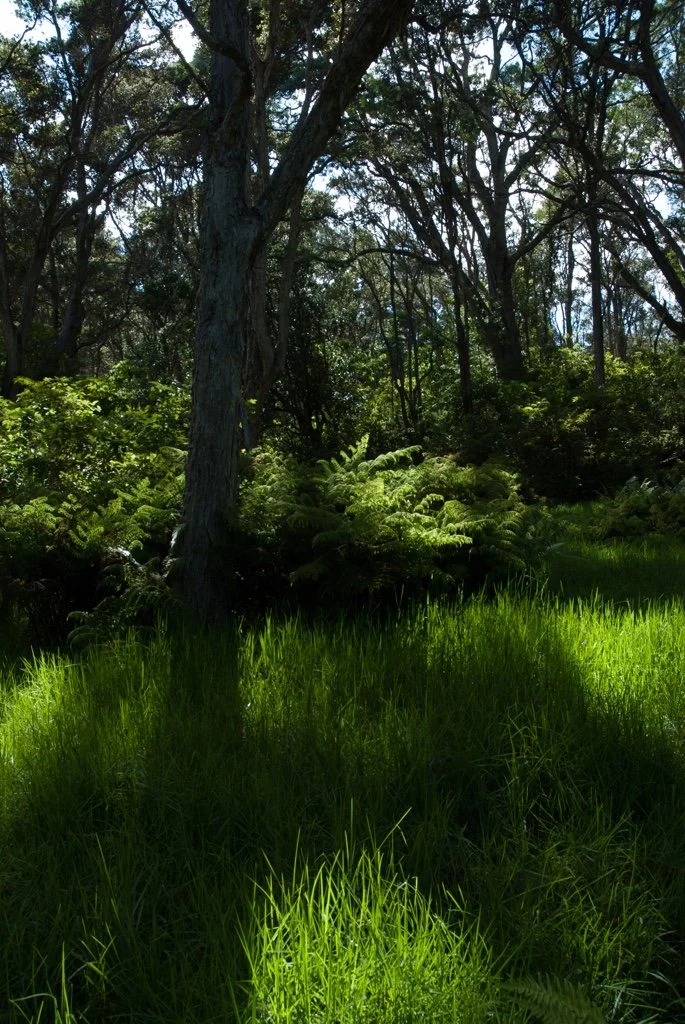
A visit to Hakalau National Wildlife Refuge feels like stepping into an ancient, hush-filled cathedral of cloud forest. Trails wind through towering ʻōhiʻa and koa, their trunks mottled with lichen and moss, while a persistent, cool mist softens edges and muffles sound. Every footfall is cushioned by a carpet of leaf litter; occasional bird calls—sharp, musical, or flute-like—punctuate the quiet, drawing your attention upward to dense canopies where many of the refuge’s rare and endemic species make their homes.
Light here is filtered and diffuse. Sunbeams that break through the canopy illuminate suspended droplets, giving the understory an otherworldly glow. Ferns unfurl along stream banks and on the trunks of trees, contributing to a layered, textured landscape that invites slow, attentive observation. The air carries rich, organic scents: wet earth, decomposing leaves, and subtle floral notes from native blossoms.
Birdwatching is a central element of the experience. Hakalau protects several Hawaiian honeycreepers—birds you’re unlikely to see anywhere else—which flit and forage among the branches. Their colors and calls are vivid reminders of Hawaii’s unique evolutionary path. Skilled guides or patient visitors can spot species like the ‘amakihi and ‘apapane, and with luck, rarer species that are the refuge’s conservation priorities. Binoculars and quiet patience reward you here; sudden movement risks sending birds deeper into the canopy.
Trails vary from gentle boardwalks to steeper forest paths. Sections ascend to vantage points where cloud layers sweep across valleys, revealing glimpses of distant ridgelines before they vanish into mist. These moments create fleeting, cinematic views that contrast with the intimacy of the understory. Weather is changeable: a sunlit clearing can become mist-shrouded within minutes, so layered clothing and waterproof outerwear are practical choices.
Conservation efforts are palpable throughout the refuge. Fenced enclosures protect critical habitat from invasive mammals, and signage explains restoration projects and the challenges posed by invasive plants and disease. Visitors encounter dedicated research stations and often see the visible results of restoration work—areas where native understory is recovering and where planting efforts offer hope for future biodiversity.
The refuge is quiet, but not empty of life. Insects hum and small amphibians or lizards occasionally dart across the path. Native plants like ʻōhiʻa lehua, with their bright clusters of blossoms, and dense understory shrubs provide both food and shelter for wildlife, illustrating the interconnectedness that conservation seeks to preserve.
For photographers and artists, Hakalau offers opportunities to capture texture, mood, and rare wildlife. Compositions emphasize vertical trunks draped in epiphytes, the delicate geometry of ferns, and the interplay of cloud and ridge. Time of day makes a difference: early morning often brings clearer bird activity and a deeper, cooler palette; late afternoon light can warm mosses and trunks when it breaks through.
Practical notes: access is regulated to protect sensitive habitat—permits or guided visits may be required—so plan ahead. Trails can be muddy and uneven; good footwear and insect repellent are recommended. Respect closures and stay on designated paths to minimize disturbance.
Leaving Hakalau, you carry a heightened awareness of fragility and resilience. The refuge feels like a living lesson: a place where ancient ecosystems persist amid ongoing threats, and where careful stewardship can sustain unique species and the quiet, misty landscapes they inhabit.