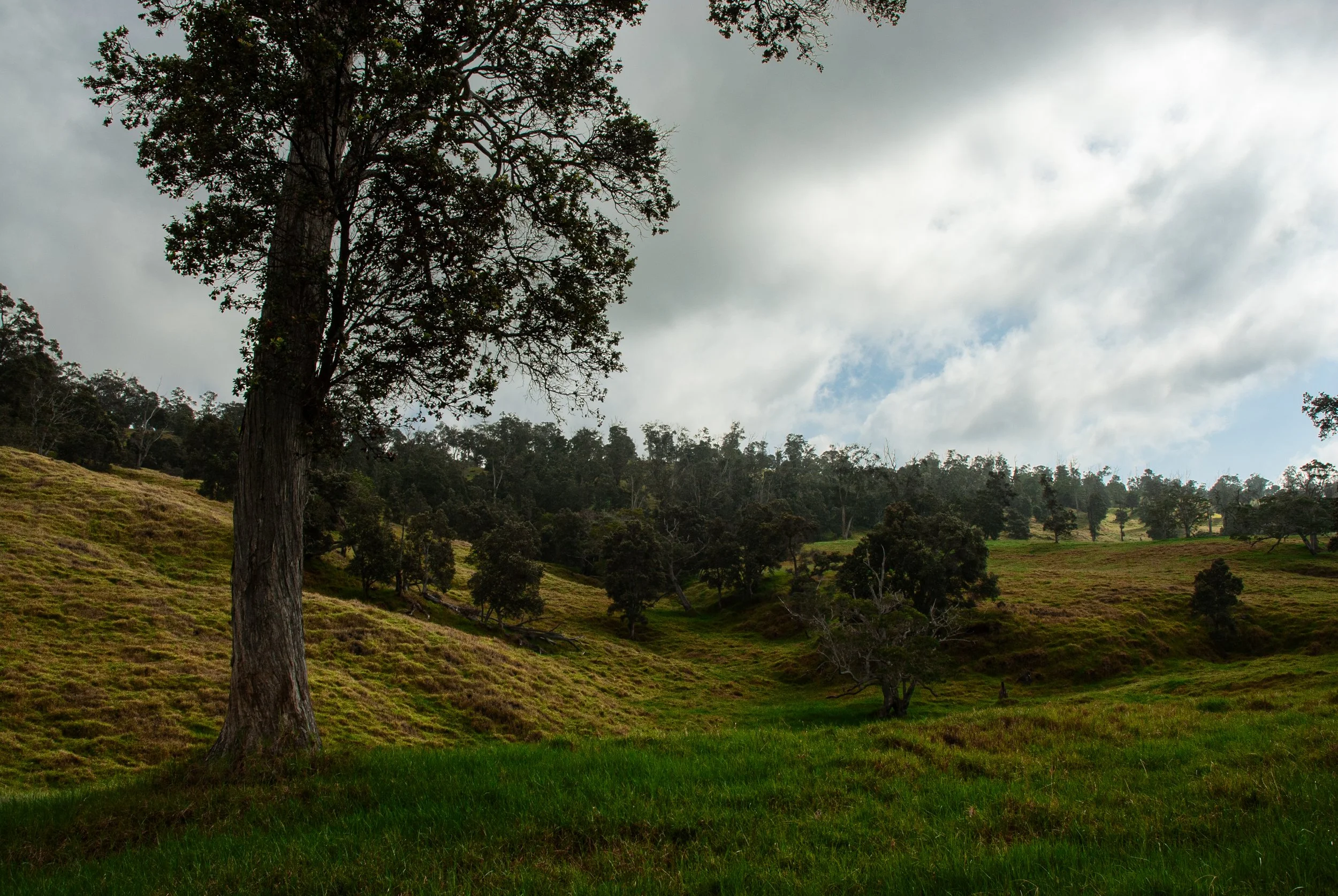
The Kahuku tract is a remote, ecologically significant section of Hawaiʻi Volcanoes National Park, located on the northeastern flank of Kīlauea volcano on the island of Hawaiʻi. It encompasses rugged coastal terrain, sea cliffs, lava plains, native dry and mesic forest remnants, and culturally important sites—forming a mosaic of habitats and historical landscapes that are rare on the island. Establishment and history - Early protection: Interest in protecting Kahuku grew in the mid-20th century as awareness increased about the need to preserve Hawaiʻi’s unique volcanic landscapes, coastal ecosystems, and archaeological resources. Portions of the Kahuku area were identified as important for conservation due to their biological diversity and cultural significance connected to Native Hawaiian usage.
- Formal inclusion: The present-day Kahuku tract was incorporated into Hawaiʻi Volcanoes National Park through a series of additions and boundary adjustments during the 20th century as the National Park Service expanded the park’s holdings to better represent the island’s diverse natural and cultural resources. Key land transfers and legislative actions gradually brought privately held and state lands into federal protection; these actions aimed to secure intact coastal and forested areas threatened by development, ranching, and invasive species. - Management evolution: Since its inclusion, the Kahuku tract has been managed under the park’s broader conservation strategies, emphasizing habitat protection, invasive species control, cultural site preservation, and controlled public access. Management has had to adapt to dynamic threats including volcanic activity, sea-level change, invasive plants and animals, and overuse in more accessible areas. Conservation importance - Biodiversity refuge: Kahuku contains remnants of native coastal and lowland ecosystems that are increasingly rare across Hawaiʻi. These habitats support endemic plant species and provide nesting and foraging grounds for native seabirds and other wildlife. Protecting these fragments helps maintain genetic diversity and provides reference sites for restoration efforts elsewhere.