First Signs of Life in Hawaii
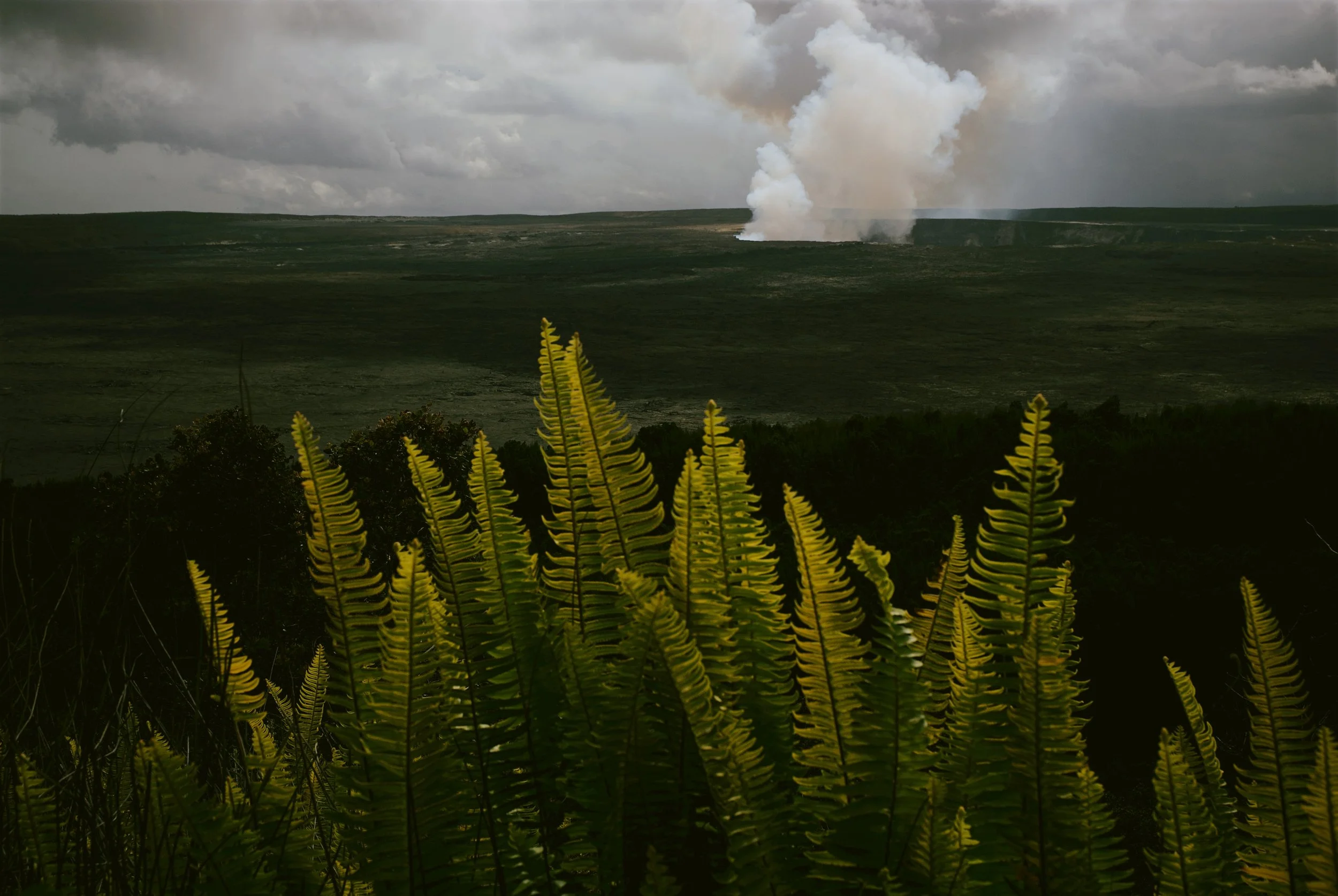
On fresh lava flows in Hawaii, life begins with hardy pioneers that turn black rock into living ground. Within months to years after an eruption, tiny ferns and mosses—often spearheaded by lava-loving species such as volcanic creeper and several species of Pteridophytes—colonize cracks where wind-blown spores and microscopic bits of organic matter collect. These organisms trap moisture, create pockets of soil from breaking rock and decaying tissue, and foster microhabitats for lichens and bacteria. Lichens, in particular, are crucial chemical weatherers: their acids help break down glassy basalt, accelerating the slow transformation of lava to fertile substrate. Over decades, this succession progresses to grasses, shrubs, and eventually trees like ʻōhiʻa lehua, whose roots further stabilize soil and invite birds and insects, completing a remarkable sequence from sterile stone to thriving Hawaiian ecosystems.